

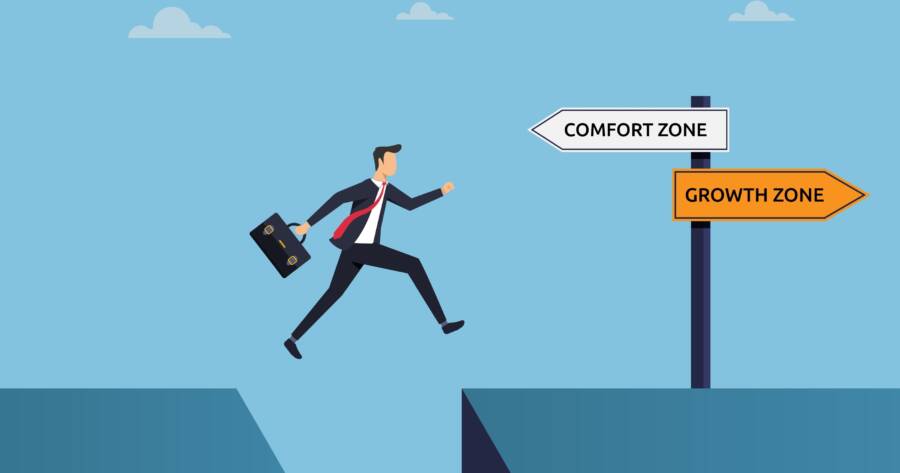
Comfort zones provide familiarity and security, yet remaining within them for too long can limit personal development. Growth often requires discomfort, uncertainty, and the willingness to try something new. Whether learning a skill, pursuing a career change, or speaking up in a challenging conversation, progress rarely happens without some level of stretch. Expanding personal boundaries builds resilience, confidence, and adaptability. With intentional effort and gradual steps, discomfort can become a powerful catalyst for meaningful growth.
Understanding the Nature of the Comfort Zone
A comfort zone consists of routines, behaviors, and environments that feel predictable and low-risk. Within this space, tasks require minimal emotional strain and outcomes feel manageable. Familiar surroundings reduce uncertainty, which can lower stress and create a sense of control. While this stability can be beneficial during demanding seasons of life, staying exclusively within predictable patterns may prevent skill development and limit exposure to new opportunities.
Comfort zones are not inherently negative; they provide rest and recovery. However, growth slows when safety becomes stagnation. Repeating the same habits, interacting within the same circles, or declining unfamiliar experiences can gradually narrow potential. Recognizing the boundaries of a comfort zone requires honest self-reflection. Avoiding certain conversations, postponing challenging goals, or dismissing opportunities due to fear often signals protective patterns.
Embracing Discomfort as a Signal of Progress
Discomfort often accompanies growth. Nervousness before speaking publicly, hesitation before applying for a new role, or uncertainty when learning a skill can indicate meaningful development. These sensations are often mistaken for signs of inadequacy, yet they frequently signal that a person is stretching beyond familiar limits. Reframing discomfort as evidence of progress can shift emotional response from avoidance to curiosity.
Growth does not require overwhelming fear; it thrives in manageable challenge. Taking gradual risks—such as contributing one idea in a meeting, initiating a new conversation, or enrolling in a beginner-level class—builds tolerance for uncertainty. Each small stretch reinforces the capacity to handle discomfort constructively. With repetition, anxiety often decreases and confidence increases.
Building Confidence Through Action
Confidence rarely precedes action; more often, it develops as a result of it. Waiting to feel fully prepared can lead to indefinite delay. Taking action, even when uncertain, creates learning opportunities that strengthen ability and belief. Each attempt—successful or imperfect—adds experience and insight. Progress is built through participation rather than preparation alone.
Reflecting on past growth can reinforce this principle. Many accomplishments that now feel comfortable once involved hesitation or fear. Recognizing that previous risks led to skill development builds trust in the process. Confidence becomes less about avoiding mistakes and more about trusting the ability to adapt.
Expanding Skills and Perspectives
Stepping outside familiar routines exposes individuals to new information, skills, and viewpoints that might otherwise remain undiscovered. Trying unfamiliar activities, engaging with diverse communities, or exploring new professional opportunities broadens understanding. Growth often occurs when long-held assumptions are questioned and replaced with more nuanced perspectives.
Exposure to varied experiences strengthens adaptability and critical thinking. Encountering different cultural norms, communication styles, or problem-solving approaches encourages flexibility. These broader perspectives enhance empathy and improve collaboration in both personal and professional settings.
Strengthening Resilience and Adaptability
Facing uncertainty strengthens emotional resilience. Each time a challenge is approached rather than avoided, coping capacity expands. Setbacks and missteps become learning experiences rather than evidence of failure. Resilience develops through exposure to manageable stress followed by reflection and adjustment.
Adaptability grows alongside resilience. When circumstances shift unexpectedly, individuals who have practiced stepping outside their comfort zones are better equipped to respond calmly. Adjusting plans, reevaluating goals, and experimenting with new solutions become more natural over time. The ability to remain steady amid change is a valuable life skill that supports sustained growth.
Taking Gradual Steps Toward Sustainable Growth
Growth does not require dramatic or risky leaps. Incremental expansion of comfort zones often produces more lasting change than sudden, extreme shifts. Setting small, achievable challenges builds momentum without overwhelming emotional capacity. For example, speaking briefly in a group before leading a presentation allows confidence to build gradually.
Tracking progress reinforces commitment and highlights improvement. Writing down new experiences, lessons learned, or fears overcome provides tangible evidence of growth. Celebrating small victories strengthens motivation and reinforces positive behavior. With consistent effort, previously uncomfortable situations become familiar, and new challenges replace old ones.