

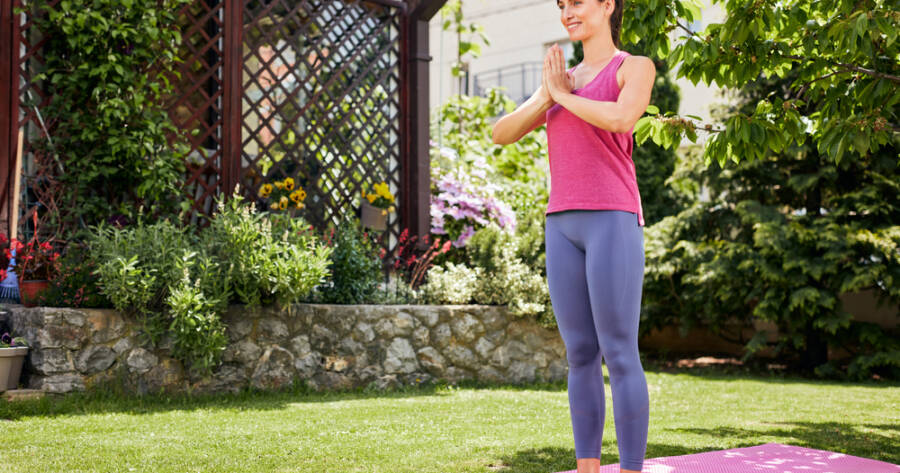
A backyard meditation space can be a true escape from the noise and rush of everyday life. But it is hard to relax when you can see your neighbors or hear the street outside. The right plants can turn an open yard into a peaceful, enclosed room. Choosing the best privacy plants does more than block views — it creates a green, living boundary that calms the mind and sets the mood for personal growth.
Why Privacy Matters in a Meditation Garden
Privacy is one of the most important parts of any meditation space. When you feel hidden from the outside world, it is much easier to let go of stress and focus on what is right in front of you. A simple living screen around the edges of your garden can transform an ordinary corner of your yard into a calming outdoor room (source).
The good news is that plants do this job naturally and beautifully. Unlike a wooden fence, a living wall of trees or shrubs gives you soft textures, gentle movement in the wind, and pleasant sounds that a fence never could. Visual privacy helps you feel safe — and that sense of safety is the first and most important step toward real relaxation and calm (source).
Arborvitae: The Dependable Evergreen Wall
When it comes to fast growth and reliable coverage, few plants match the Green Giant Arborvitae. This popular evergreen can put on as much as three feet of new growth in a single year, so you do not have to wait long before you have a proper green wall behind you (source). It handles a wide range of soil types, from slightly acidic to neutral, and once it takes hold, it asks for very little attention.
One of the biggest advantages of arborvitae for a meditation space is how well it handles sound. The thick, layered foliage diffuses sound waves, acting as a natural noise buffer against traffic or loud neighbors (source). It also holds up through snow, ice, and strong wind without losing its shape or dropping its leaves. Deer and rabbits tend to pass it by, which means fewer worries about damage to your carefully planted screen (source).
Holly: Native Beauty with Year-Round Berries and Birdsong
Holly shrubs are a wonderful choice for a privacy screen that does more than just block the view. Yaupon holly and inkberry holly are both native to parts of the southeastern United States, which means they are naturally suited to local growing conditions and soil (source). Yaupon holly in particular can be trimmed and shaped into a clean, tight hedge, giving you a neat and tidy wall around your retreat.
What makes holly especially rewarding in a meditation garden is the life it draws in around you. Both yaupon and inkberry hollies attract songbirds, which brings gentle, natural sound to your space year-round (source). If you are looking for even more impact, Lusterleaf holly and ‘Nellie Stevens’ holly offer dense, glossy dark green leaves that stay full all year, along with red berries that cling to the branches through fall and winter, adding quiet color to the space even when everything else goes bare (source).
Ornamental Grasses and Bamboo: Softness, Sound, and Movement
Not every privacy screen needs to be a wall of tall evergreens. Ornamental grasses and clumping bamboo bring a lighter, more graceful kind of enclosure to a meditation garden. These plants sway in even the gentlest breeze, and the soft rustling they make as the wind passes through can serve as natural white noise that helps drown out the sounds of the street or surrounding neighborhood (source).
If you are thinking about bamboo, the most important thing to know is the difference between clumping and running types. Running bamboo spreads rapidly and can quickly take over parts of your yard that you never intended for it (source). Clumping bamboo, on the other hand, expands slowly from its original spot and stays where you put it, making it a well-behaved and attractive screen for smaller gardens. Ornamental grasses like fountain grass can also serve as a lower-level screen in front of taller plants while everything grows in together.
Stronger Practice, Better Personal Growth
One of the best things you can do when designing a privacy screen for your meditation garden is to avoid relying on just one type of plant. A screen made up entirely of a single species can be wiped out quickly if that plant is hit by a disease or an insect problem (source). A varied mix of evergreen trees, native shrubs, and flowering plants holds up far better over time.
A mixed screen also gives your garden something new to offer in every season. Some plants bloom in spring, others flower in fall, and many carry berries or colorful foliage through winter. For areas where deer are a concern, the hardy anise shrub (Illicium parviflorum) is a deer-resistant evergreen that can even thrive in the shade, making it a useful addition to help protect other plants nearby (source). No matter what combination you choose, be sure to space each plant according to how wide it will grow at full size — crowded plants compete for water and nutrients and will struggle over time.
When your screen truly shuts out the world around you, your meditation practice has room to go deeper and become more consistent. That regularity — even just a few quiet minutes each day in a space that feels fully your own — can carry over into the rest of your life, building steadier focus, lower stress, and a greater sense of calm in difficult moments. Over time, the garden you grow becomes more than a retreat; it becomes the place where you grow too.
Growing Your Own Peace
A quiet, private meditation garden is within reach for almost any backyard. Whether you choose a row of fast-growing arborvitae, a mix of native hollies, softly swaying grasses, or a layered combination of all three, the right plants can give you a genuine sense of seclusion right outside your door.
Start with a small section, pick plants that fit your climate and the light conditions in your yard, and let them grow into something more beautiful each year. Over time, tending to that living screen becomes a part of the practice itself — something to observe, care for, and be grateful for through every change of season.