

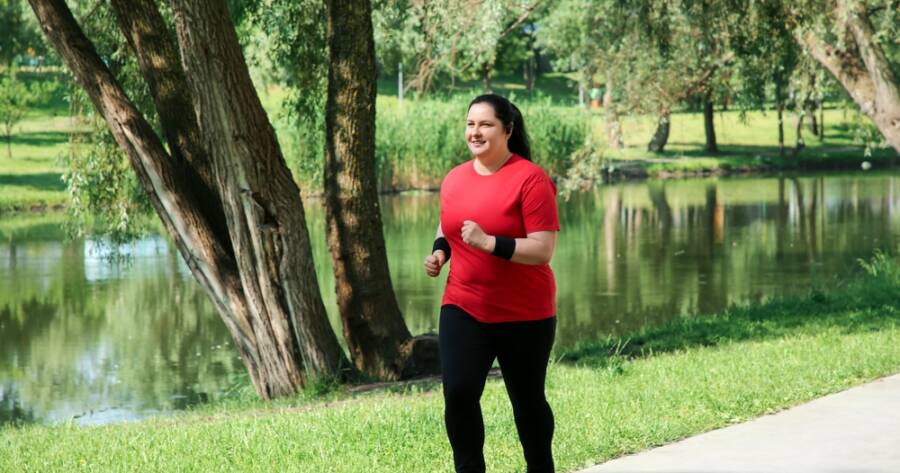
Running your first 5K can feel overwhelming, especially if you have never laced up your shoes for exercise before. That is where Couch-to-5K apps come in. Digital tools break a 5K training program into small, manageable steps, guiding you from the couch to the finish line at your own pace. With audio coaching, progress tracking, and beginner-friendly schedules, the best apps take the guesswork out of race training and make the process much less intimidating.
C25K by Zen Labs: The Classic Starter App
The C25K app by Zen Labs is one of the most well-known beginner running apps available today. It is built around a simple, easy-to-follow structure: 30 minutes a day, three days a week, for eight weeks. The program starts with short bursts of running mixed with walking periods, then gradually shifts the balance until you can run the full distance without stopping. All you need to do is press start and listen to the audio coach telling you when to walk and when to run. The plan was designed specifically for people who are new to running, and its step-by-step structure is meant to keep beginners moving forward instead of quitting early.
The app also connects well to tools many people already use in their daily lives. It pairs with popular music platforms so you can listen to your own playlists while training, and it links with MyFitnessPal for anyone who wants to keep tabs on broader health and fitness goals alongside their running. The app is approved for use with Google Wear OS, Samsung, and Fitbit smartwatches, meaning you can receive coaching cues right from your wrist during a run without ever needing to pull out your phone. A built-in community forum also gives you access to other users who are working through the same plan at the same time, which adds a layer of encouragement for those days when motivation runs low.
Nike Run Club: No-Fee Coaching for Every Level
Nike Run Club is a completely no-fee app that goes well beyond simply logging your miles. It is loaded with features that work especially well for new runners, including audio-guided runs that deliver coaching tips, encouragement, and pacing instructions in real time as you move. Whether you are heading out the door for the very first time or building toward your first organized race, the app has guided content to match where you are in your training.
One of its most useful features for beginners is how much data it tracks in the background. The app monitors your pace, location, distance, elevation, heart rate, and mile splits during every run, so you can watch your progress build over time without having to think about it. Once you grow comfortable with shorter distances, the app offers training plans and guided runs that scale all the way up to marathon level, meaning you never need to switch to a different platform as your running improves. You can also create and join community challenges with friends, family, or coworkers — a social element that many new runners find keeps them accountable and makes the whole experience more enjoyable.
Zombies, Run! 5K Training: Running With a Story
If the idea of repeating the same walk-run intervals week after week sounds like something you would quickly dread, Zombies, Run! 5K Training offers a completely different kind of experience. The app wraps an eight-week beginner running program inside an interactive audio story where you take on the role of a survivor in a post-apocalyptic world. Instead of a plain coaching voice telling you to jog for two minutes, you are heading out on missions to help a settlement survive against an ever-growing zombie threat, with an unfolding story delivered straight through your headphones. For people who need more than just a finish line to stay motivated, the storytelling format turns each workout into something to look forward to.
The training itself follows the same steady walk-to-run progression used in other beginner programs, with clear instructions delivered through your headphones that tell you when to slow down, when to jog, and when to push a little harder. You can stream your own music from services like Spotify or Apple Music at the same time, with story audio woven in alongside your tracks. For runners who have struggled to stick with traditional plans in the past, having a compelling narrative to follow during each session has helped many beginners reach the 5K finish line who might otherwise have given up halfway through.
None to Run: A Gentler Way to Start
Not every beginner is ready to jump straight into the pace of a standard Couch-to-5K program, and None to Run was created specifically for that situation. Developed by running coach Mark Kennedy, the app uses a 12-week timeline instead of the usual eight or nine weeks, giving the body more time to adjust to the regular demands of running. This slower approach is a real advantage for people who are completely new to exercise, are returning to activity after a long break, or who have tried a faster program before and found it too difficult to complete.
The early weeks start with shorter running intervals and longer walking recovery periods compared to most other apps in this space, which makes the first few sessions feel far more achievable. Alongside the running workouts, the app includes basic strength exercises — something rare among Couch-to-5K apps — which can help new runners build the muscle support needed to stay healthy and avoid common early injuries. The overall approach is built around making running feel possible rather than punishing, which gives beginners a genuinely better chance of reaching the end of the program and building a habit that lasts.
Injury Prevention for First-Time Runners
New runners often improve best when they give the body time to adapt. Couch-to-5K plans usually include rest days for a reason: muscles, joints, and tendons need recovery between sessions. Skipping ahead, adding extra runs too soon, or turning every running interval into a sprint can raise the chance of soreness or injury. A steady pace, a short warmup, and gradual progress make the program easier to stick with.
It also helps to pay attention to the difference between effort and pain. Feeling tired, warm, or mildly sore can be normal when starting a new routine. Sharp pain, worsening joint pain, dizziness, chest discomfort, or pain that changes your stride should not be ignored. Beginners can lower risk by wearing supportive shoes, choosing safe surfaces, adding basic strength work, and repeating a training week instead of pushing through when the body needs more time.
The Right App Makes All the Difference
Finding a Couch-to-5K app that suits the way you like to train can turn what seems like an impossible challenge into a series of small, manageable wins. Whether you prefer a classic audio-coached plan, a no-fee platform that grows with your ability, an adventure story to keep things interesting, or a slower and gentler first step into running, there is an app designed for exactly where you are starting from.
The most important thing is choosing an app you will genuinely open three times a week and keep coming back to. Once you cross that first 5K finish line, many of these platforms offer everything you need to keep building — whether that means longer races, faster times, or simply the quiet satisfaction of knowing that running has become a regular part of your life.