

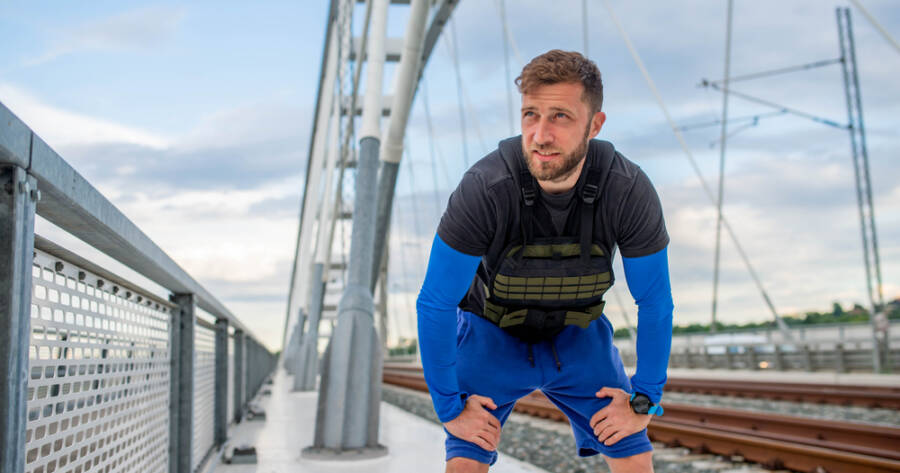
Walking fits easily into a normal day, but the same route may stop feeling demanding as fitness improves. A weighted vest adds resistance without requiring a faster pace, steep hill, or separate gym session. The best choice should stay close to the body, spread weight evenly, and match the level of resistance you can control. Fortunately, several current models offer different solutions for comfort, adjustment, fit, and regular use.
Why a Weighted Vest Can Change an Ordinary Walk
Adding weight to the torso can make the heart, lungs, and muscles work harder during a familiar walking route. It may also add a strength element without requiring the walker to carry dumbbells or change natural arm movement. However, the extra load can place more strain on muscles and joints, especially when the vest is too heavy or fits poorly.
Exercise intensity should increase gradually. A vest gives walkers another way to make a workout harder besides adding speed or finding a steeper route. It shouldn’t be treated as a shortcut to the heaviest possible load. The goal is to add a manageable challenge while keeping an upright posture and a comfortable stride.
OMORPHO G-Vest Icon: Best Premium Adjustable Option
The OMORPHO G-Vest Icon is a strong choice for walkers who want a shaped, low-profile vest instead of a bulky plate carrier. The men’s version starts with 10 pounds of resistance spread across the upper body. An optional G-Pack adds three snap-in panels that raise the available resistance to 20 pounds without changing the vest’s basic shape.
The close fit should appeal to people who dislike loose weight packets moving during a walk. Adjustable shoulder and side straps help secure the vest, while the small distributed weights leave more freedom for the arms and torso. The added panels are sold separately, though, and a full 10-pound starting load won’t suit every beginner. This model makes the most sense for experienced walkers who value fit and expect to use the vest during strength sessions as well.
Hyperwear Hyper Vest FIT: Best Women-Specific Design
The Hyperwear Hyper Vest FIT is shaped for a woman’s body and doesn’t place weights directly over the chest. Its removable steel pieces allow the load to be adjusted in half-pound steps, up to a maximum of 10 pounds. That fine control makes it easier to begin with a small amount of resistance and add more over time.
Elastic side cords help pull the vest close to the torso, while reflective details improve visibility during early morning or evening walks. The CORDURA fabric and smooth inner lining also create a softer look and feel than a tactical plate vest. However, the maximum load may feel limited once an experienced user becomes comfortable with 10 pounds. The available sizes also stop at large, so shoppers should study the measurement chart instead of relying only on their usual clothing size.
TRX HexGrip 10-Pound Weight Vest: Best Fixed-Weight Vest
The 10-pound TRX HexGrip vest is built for people who don’t want to load, unload, or store several loose weight packets. The resistance is fixed and evenly spread through the vest. Two adjustable, removable straps help secure it around the torso, while the low-profile neoprene body is designed to allow natural movement.
Its simple setup is the main advantage. The user can put it on, adjust the fit, and start walking without checking whether the front and back hold equal loads. It can also move from walking to squats, step-ups, or other bodyweight exercises without a lengthy setup.
The fixed resistance is also its largest drawback. Ten pounds may be too much for a new user, and none of the weight can be removed. This model is better for someone who has already trained with a lighter vest or knows that a 10-pound load doesn’t disturb normal posture and walking form.
ETHOS Adjustable 20-Pound Vest: Best Value for Gradual Loading
The ETHOS Adjustable Weighted Vest offers a straightforward way to begin below its full 20-pound capacity. It comes with eight removable weights that each weigh 2.5 pounds. Comfortable shoulder supports and a padded waist strap are intended to spread and secure the load, while a zippered chest pocket provides space for a phone, keys, or wallet.
The removable packets make this vest useful for one person who wants room to progress or for two household members who need different loads. The system is also easier to understand than a plate carrier that requires separately purchased metal plates.
Its 2.5-pound adjustment steps aren’t as precise as the half-pound changes offered by the Hyperwear vest. The ETHOS design is also bulkier than the OMORPHO and TRX options. Still, it covers the key needs of an adjustable walking vest without requiring a complex loading system.
How to Choose the Right Walking Vest
Begin with fit rather than maximum weight. The vest should stay close to the torso while walking, turning, and climbing stairs. It shouldn’t bounce against the chest, pull heavily on one shoulder, or force the wearer to lean forward. Adjustable shoulder, side, or waist straps can improve the fit, but they won’t correct a vest that’s simply too large.
Consider how gradually the load can increase. Small removable weights provide more control and make it easier to reduce resistance on a tired day. A fixed-weight vest is simpler, but the wearer must be ready for the full load from the first walk. High-capacity plate carriers leave room for progress, yet that extra capacity has little value if the vest feels stiff or oversized during normal use.
Clothing, weather, and other planned activities should also shape the decision. A vest adjusted over a winter jacket may feel loose over a thin shirt, while heat-trapping materials or rough seams can become uncomfortable during summer walks. Low-profile models may move more naturally during squats, step-ups, or household tasks, while heavier designs may work better for short conditioning sessions. Reflective details, secure pockets, cleaning instructions, and a clear size chart may be more useful in daily life than an extremely high weight limit.
Increase the Challenge Without Rushing
A weighted vest should make a familiar route feel more demanding without turning each step into a balance exercise. Keep the first outings short and watch for changes in posture, breathing, and stride. Increasing the distance and vest weight at the same time makes it difficult to identify which change caused fatigue or discomfort.
People with existing neck or back pain shouldn’t begin weighted walking without medical guidance, and pregnancy is another reason to avoid the added load. Stop using the vest if it causes pain or makes normal walking difficult.
It’s also wise to avoid treating the vest as a replacement for a complete exercise plan. Weighted walking can increase the challenge of a cardio routine, but it doesn’t work every major muscle through a full range of motion. Walking, basic strength exercises, balance work, and rest days can each serve a different role.
A Better Walk Begins With a Better Fit
The OMORPHO G-Vest Icon offers a polished adjustable system for experienced users, while the Hyperwear FIT gives women finer control over lighter loads. The fixed 10-pound TRX model keeps setup simple, and the ETHOS vest provides a broader adjustment range through removable packets. Before choosing one, measure the torso, decide how small each weight increase should be, and select a vest that won’t change the natural way you walk.