

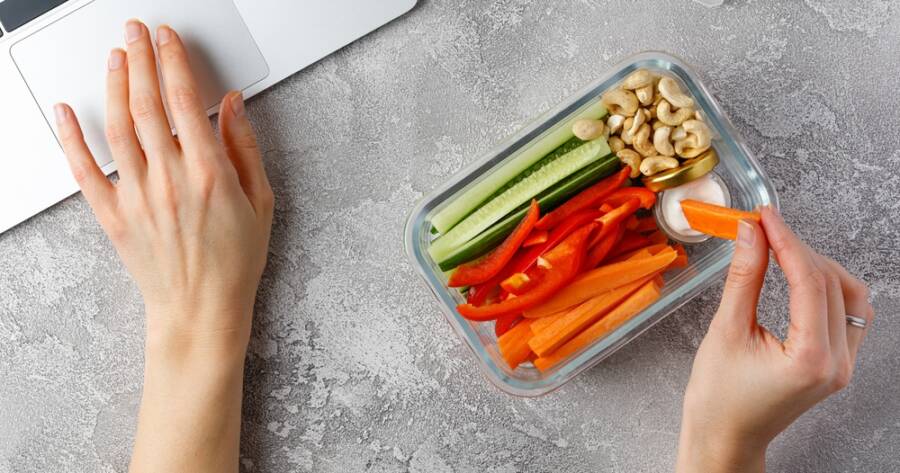
Snacking can either support balanced nutrition or contribute to energy crashes and constant cravings. When chosen thoughtfully, snacks help bridge the gap between meals, stabilize hunger, and maintain steady energy levels throughout the day. The key lies in selecting options that combine fiber, protein, and healthy fats rather than relying solely on refined carbohydrates. Building satisfying snacks does not require complicated recipes. With simple strategies and intentional choices, snacks can become a valuable part of a healthy eating routine.
Combine Protein and Fiber for Lasting Fullness
One of the most effective ways to create a satisfying snack is to pair protein with fiber. Protein supports muscle maintenance and helps slow digestion, while fiber adds bulk and prolongs feelings of fullness. Together, they create a more sustained energy release compared to snacks that contain mostly sugar or refined starches.
Examples include apple slices with nut butter, Greek yogurt topped with berries, cottage cheese with whole-grain crackers, or hummus with raw vegetables. These combinations provide both structure and balance. When snacks contain multiple nutrients, they are more likely to satisfy hunger and reduce the temptation to overeat at the next meal.
Choose Whole Foods Over Highly Processed Options
Whole foods tend to offer more nutrients and fewer additives than heavily processed snack items. Fresh fruit, nuts, seeds, yogurt, hard-boiled eggs, and sliced vegetables provide natural sources of vitamins, minerals, and fiber. These options typically contain less added sugar and artificial ingredients than packaged snack foods.
Reading ingredient lists can also support healthier choices. Shorter ingredient lists with recognizable components often signal a less processed product. While convenience matters, selecting minimally processed foods when possible can help maintain steady energy and avoid rapid blood sugar fluctuations.
Pay Attention to Portion Sizes
Even nutritious snacks can become excessive if portion sizes are overlooked. Nuts, seeds, and dried fruit are nutrient-dense but also calorie-dense. Pre-portioning snacks into small containers rather than eating directly from large packages can support mindful consumption.
Listening to hunger cues is equally important. Snacking out of boredom or habit may lead to unnecessary intake. Taking a moment to assess whether hunger is physical or emotional can guide better decisions. Balanced portions paired with awareness support steady energy without overconsumption.
Plan Ahead to Avoid Impulse Choices
Planning snacks in advance reduces reliance on vending machines, drive-through options, or highly processed convenience foods. When hunger strikes unexpectedly, it becomes much easier to reach for whatever is immediately available rather than what is balanced. Preparing snack options at the start of the week—such as portioning nuts into small containers, washing and slicing vegetables, or prepping yogurt cups with fruit—creates built-in structure.
Keeping balanced snacks readily accessible also supports consistency. Storing options in a work bag, car, or desk drawer prevents long stretches without food. Portable items such as trail mix, roasted chickpeas, whole fruit, or protein-rich snack bars can serve as reliable backups. Planning ahead reduces decision fatigue and helps prevent extreme hunger, which often leads to overeating later.
Include Healthy Fats for Satisfaction
Healthy fats contribute to satiety, texture, and flavor, making snacks more satisfying overall. Including a moderate amount of fats can slow digestion and help extend fullness between meals. Foods such as almonds, walnuts, sunflower seeds, chia seeds, avocado, and natural nut butters provide beneficial fats along with additional nutrients. When added thoughtfully, fats enhance both taste and nutritional balance.
Pairing healthy fats with fiber-rich carbohydrates or protein creates even greater stability. For example, spreading almond butter on apple slices or adding seeds to yogurt combines multiple nutrients into one snack. This balanced combination can help reduce sudden hunger shortly after eating. Paying attention to portion sizes remains important, as fats are calorie-dense.
Make Snacks Part of a Balanced Routine
Snacks work best when integrated into a consistent eating pattern rather than replacing meals or becoming constant grazing. Scheduling snacks between meals can prevent excessive hunger and support focus, particularly during long workdays, school hours, or active afternoons. A mid-morning or mid-afternoon snack often helps maintain steady energy without interfering with appetite for the next meal.
Balanced snacks should complement overall nutrition goals. When meals contain adequate protein, fiber, and healthy fats, snack portions may naturally become smaller and more intentional. Paying attention to timing can also improve satisfaction; eating before extreme hunger sets in often leads to better portion control. Viewing snacks as purposeful nourishment rather than mindless consumption encourages healthier long-term habits.