

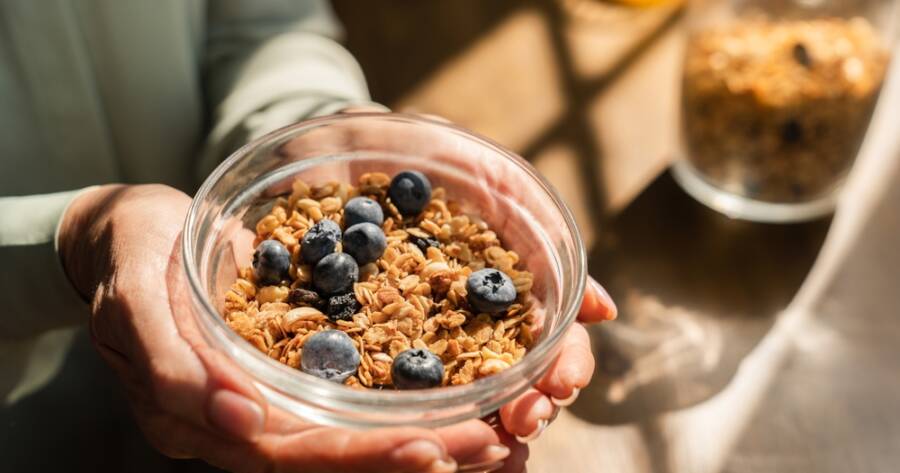
Fiber plays an essential role in overall digestive health and long-term wellness. Found primarily in plant-based foods, fiber supports regularity, balanced blood sugar levels, and heart health. Despite its importance, many people do not consume enough fiber daily. Understanding how fiber functions within the body and learning how to incorporate it consistently can support sustained energy, digestive comfort, and improved nutritional balance across every stage of life.
Understanding What Fiber Is
Fiber is a type of carbohydrate that the body cannot fully digest. Unlike sugars and starches, fiber passes through the digestive system largely intact. Although it does not provide calories in the same way other carbohydrates do, it plays a crucial structural role in digestive function. Fiber is commonly divided into two categories: soluble and insoluble.
Soluble fiber dissolves in water and forms a gel-like substance in the digestive tract. This type of fiber can help slow digestion and support stable blood sugar levels. Insoluble fiber, on the other hand, adds bulk to stool and promotes regular bowel movements. Both types are important, and most plant-based foods contain a combination of the two.
Supporting Digestive Health and Regularity
One of the most well-known benefits of fiber is its ability to support digestive regularity. Insoluble fiber increases stool bulk, making it easier to move through the intestines. Adequate fiber intake can reduce occasional constipation and promote overall digestive comfort.
Soluble fiber also supports gut health by feeding beneficial bacteria in the digestive tract. A balanced gut environment contributes to efficient nutrient absorption and immune support. Increasing fiber gradually and pairing it with adequate hydration helps prevent discomfort. Consistent intake supports long-term digestive stability and comfort.
Promoting Heart Health
Fiber contributes to cardiovascular wellness in multiple ways. Soluble fiber can bind to cholesterol particles in the digestive system, supporting healthy cholesterol balance. Balanced cholesterol levels play an important role in maintaining healthy arteries and circulation.
Fiber-rich foods often contain additional nutrients such as antioxidants, vitamins, and minerals that support heart function. Replacing highly processed foods with whole grains, legumes, fruits, and vegetables may improve overall dietary quality. Incorporating fiber consistently supports a heart-conscious eating pattern.
Supporting Blood Sugar Balance
Fiber slows the digestion and absorption of carbohydrates, helping the body process glucose at a steadier pace. When carbohydrates are absorbed gradually rather than quickly, blood sugar levels tend to rise more slowly and remain more stable. Preventing rapid spikes and crashes supports more consistent energy throughout the day and may reduce mid-afternoon fatigue.
Meals that combine fiber with protein and healthy fats often feel more satisfying and balanced. For example, pairing whole grains with lean protein or adding nuts and seeds to fruit can create a steadier release of energy. Choosing fiber-rich foods at breakfast may also support improved focus during the morning hours.
Increasing Satiety and Weight Management Support
Fiber adds natural volume to meals without significantly increasing calorie intake. This added bulk contributes to a greater sense of fullness and satisfaction after eating. Foods rich in fiber, such as vegetables, fruits, and whole grains, often occupy more space on the plate while remaining nutrient-dense. Feeling satisfied after meals may reduce the likelihood of overeating or frequent snacking between meals.
Whole foods naturally rich in fiber typically require more chewing, which can slow eating pace and increase awareness of hunger and fullness cues. Slower eating gives the body more time to signal satiety, supporting portion awareness. Incorporating fiber-rich ingredients into meals—such as adding beans to salads or vegetables to pasta dishes—can make meals more filling without feeling restrictive.
Practical Ways to Add More Fiber to Your Diet
Increasing fiber intake can be simple when approached gradually. Adding fruits or vegetables to each meal provides a natural source of fiber along with vitamins and minerals. Choosing whole-grain bread, brown rice, oats, barley, or quinoa instead of refined grains increases fiber intake without drastically changing familiar meals. Even small swaps, such as selecting whole-grain cereal over refined options, can contribute meaningfully over time.
Legumes such as beans, lentils, and chickpeas offer both fiber and plant-based protein, making them versatile additions to soups, salads, and grain bowls. Nuts and seeds can enhance snacks and meals with additional texture, healthy fats, and fiber. Blending berries into smoothies, topping yogurt with flaxseeds, or adding vegetables to omelets are practical daily strategies.