

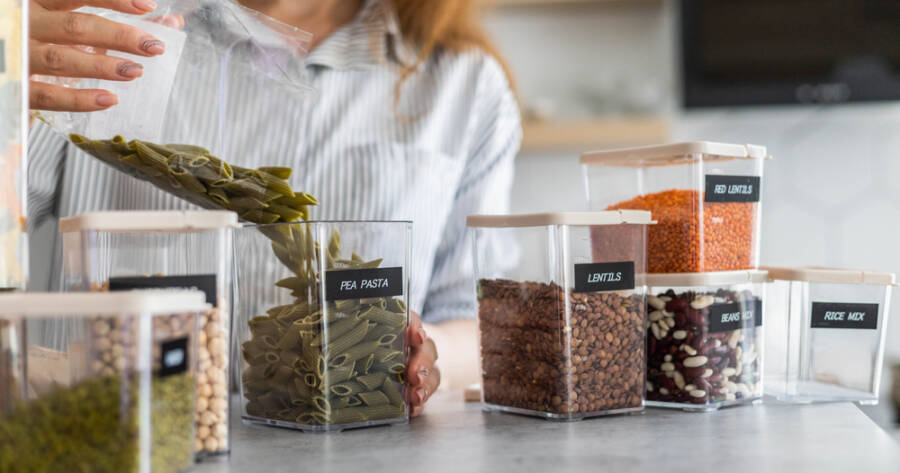
A well-organized kitchen can influence daily food choices more than many people realize. When healthy ingredients are visible, accessible, and easy to prepare, balanced meals become more convenient. Cluttered cabinets and disorganized refrigerators, on the other hand, can make quick, less nutritious options feel more appealing. Creating a functional kitchen setup does not require a full renovation. Small, intentional adjustments can streamline meal preparation and support long-term healthy eating habits.
Keep Healthy Foods Visible and Accessible
Visibility plays a powerful role in food choices. Placing fresh fruit in a bowl on the counter or storing cut vegetables at eye level in the refrigerator increases the likelihood they will be chosen. When nutritious options are easy to see and reach, decision-making becomes simpler during busy moments.
Less nutritious snack foods can be stored out of immediate sight. Keeping treats in higher cabinets or opaque containers reduces impulse consumption. Rearranging pantry shelves so whole grains, nuts, and legumes are easily accessible supports healthier cooking habits. Simple shifts in placement can influence daily patterns without requiring significant effort.
Create Dedicated Zones for Meal Prep
Designating specific areas for food preparation improves efficiency and reduces stress. Keeping cutting boards, knives, and frequently used tools in one easily accessible location speeds up cooking. Organizing utensils and ingredients by category makes it easier to move through recipes smoothly.
A dedicated prep space also encourages cooking at home more often. When the kitchen feels functional and clutter-free, meal preparation becomes less overwhelming. Storing mixing bowls, measuring cups, and storage containers together reduces unnecessary searching. An organized setup transforms cooking from a chore into a more manageable routine.
Stock Smart Pantry Staples
A thoughtfully stocked pantry makes balanced meals easier to assemble. Whole grains such as brown rice, quinoa, oats, and whole wheat pasta provide versatile foundations. Canned beans, lentils, tomatoes, and broths offer convenient options for quick soups and stews.
Keeping shelf-stable staples such as nuts, seeds, olive oil, herbs, and spices on hand adds flavor and nutrition. Rotating pantry items and checking expiration dates prevents waste. When nutritious ingredients are consistently available, spontaneous healthy meals become more achievable.
Organize the Refrigerator for Freshness
Refrigerator organization can directly impact both food waste and daily meal decisions. Storing ready-to-eat produce at eye level increases visibility and encourages use before items spoil. Placing pre-washed greens, cut vegetables, or washed fruit in clear containers makes healthy options more convenient than packaged snacks. Grouping similar items together—such as dairy products, leftovers, sauces, and proteins—reduces the time spent searching and prevents items from being forgotten in the back of shelves.
Labeling containers with dates supports freshness and food safety. Transparent storage containers allow contents to be easily identified without opening lids, reducing unnecessary exposure to air. Creating a designated “use first” section for items nearing expiration can further reduce waste. Regularly reviewing refrigerator contents once or twice per week keeps ingredients top of mind and simplifies meal planning.
Simplify Tools and Reduce Clutter
Excess kitchen gadgets often create visual and functional clutter. Keeping only frequently used appliances and tools within easy reach improves efficiency and reduces decision fatigue. Specialty items that are rarely used can be stored in higher cabinets or separate storage areas, freeing valuable counter and drawer space. A streamlined kitchen layout allows for smoother movement during cooking and meal preparation.
Maintaining clear counters creates a more inviting environment for preparing meals. When work surfaces aren’t cluttered up with unnecessary items, chopping vegetables or assembling meals feels less overwhelming. Periodically sorting through utensils, containers, and cookware prevents overcrowding and makes it easier to find what is needed. Donating duplicate or unused tools can simplify storage.
Plan Ahead to Support Organization
Organization becomes even more effective when paired with simple planning habits. Reviewing weekly schedules and planning meals accordingly reduces last-minute stress and impulsive takeout decisions. Creating a basic meal outline for the week helps ensure balanced options are available, even during busy evenings. Planning does not need to be rigid; flexibility allows for adjustments when schedules change.
Preparing ingredients in advance can significantly shorten cooking time. Washing and chopping vegetables, cooking grains in batches, or marinating proteins ahead of time makes assembling meals more efficient. Keeping a visible grocery list system—whether on paper or digitally—prevents forgotten essentials and duplicate purchases. Checking pantry and refrigerator contents before shopping also reduces waste.