

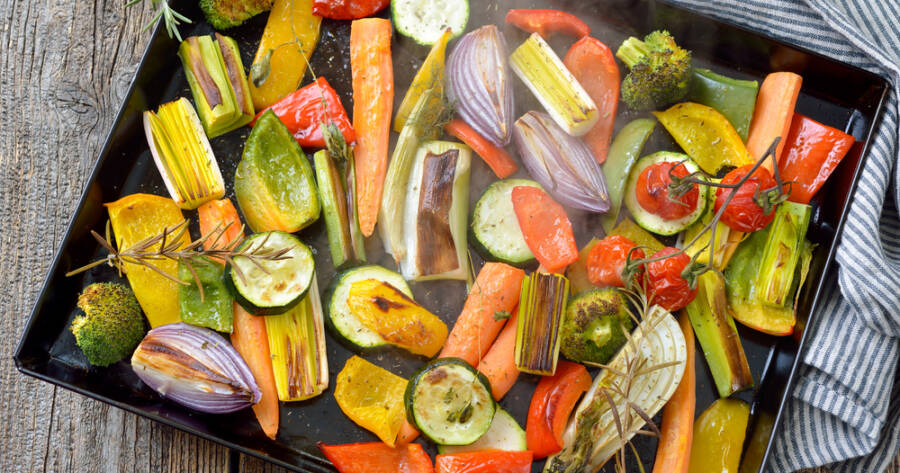
Cooking methods influence not only flavor and texture but also the nutritional value of food. The way ingredients are prepared can affect fat content, nutrient retention, and overall balance in a meal. Some methods rely on added oils, while others use heat, moisture, or air circulation to cook food more gently. Understanding how different techniques work makes it easier to choose options that support both taste and long-term health without sacrificing variety or satisfaction.
Understanding How Cooking Methods Affect Nutrition
Cooking transforms food in ways that go beyond taste. Heat can alter the structure of proteins, soften fibers, and enhance digestibility. At the same time, certain nutrients—especially water-soluble vitamins—may be reduced depending on how food is prepared. Choosing appropriate cooking methods can help preserve more of the natural nutritional value.
Different techniques also influence the amount of added fat in a meal. Methods such as frying often require oils, while steaming or baking may rely on minimal or no added fat. Being mindful of how cooking techniques affect both nutrient retention and calorie content allows for more balanced meal preparation without requiring restrictive changes.
Baking as a Balanced and Versatile Option
Baking uses dry heat in an oven to cook food evenly over time. This method works well for a wide range of ingredients, including vegetables, proteins, and whole grains. Because baking typically requires less oil than frying, it can support lower-fat meal preparation while still producing satisfying textures and flavors.
Roasting vegetables, for example, can enhance natural sweetness without excessive added ingredients. Baking proteins such as chicken or fish allows for even cooking while maintaining moisture when done properly. Using herbs, spices, and marinades can enhance flavor without relying heavily on fats or sauces. With thoughtful preparation, baking offers both convenience and nutritional balance.
- Key benefit: Baking is a flexible, lower-oil method that works well for full meals, proteins, vegetables, and make-ahead dishes.
- Major drawback: Lean foods can dry out if they are cooked too long or without enough moisture.
Grilling for Flavor With Minimal Added Fat
Grilling exposes food to direct heat, often over an open flame or heated surface. This method creates a distinct flavor through browning and caramelization, making it a popular choice for meats, vegetables, and even fruits. Because excess fat can drip away during grilling, it often results in lower-fat outcomes compared to pan-frying.
Preparation plays an important role in maintaining balance. Marinating foods before grilling can enhance flavor and tenderness without requiring heavy sauces. Including vegetables such as peppers, zucchini, or mushrooms alongside proteins creates a more complete and nutrient-rich meal. Monitoring cooking time and avoiding excessive charring helps maintain both flavor and overall quality.
- Key benefit: Grilling adds bold flavor with little added fat, especially for proteins and vegetables.
- Major drawback: Food can char, burn, or dry out quickly if the heat is too high or cooking time is not watched closely.
Steaming to Preserve Nutrients and Texture
Steaming uses hot vapor to cook food gently without direct contact with water. This method is particularly effective for preserving nutrients that might otherwise be lost during boiling. Vegetables retain their color, texture, and natural flavor when steamed properly, making it a reliable option for nutrient-dense meals.
Steaming also eliminates the need for added fats during cooking. This makes it a useful technique for those aiming to reduce overall calorie intake while maintaining nutritional value. Pairing steamed foods with flavorful additions such as herbs, citrus, or light sauces can enhance taste without compromising the benefits of the method. Gentle cooking supports both texture and nutrient retention.
- Key benefit: Steaming helps preserve texture, color, and nutrients while requiring little or no added fat.
- Major drawback: Steamed foods can taste bland if they are not finished with herbs, citrus, spices, or a light sauce.
Sautéing and Stir-Frying With Mindful Portions
Sautéing and stir-frying involve cooking food quickly over medium to high heat with a small amount of oil. These methods can preserve texture and flavor while allowing for quick meal preparation. When used thoughtfully, they can be part of a balanced cooking routine.
Portion control plays a key role in maintaining balance. Using measured amounts of oil rather than pouring freely helps manage overall fat content. Incorporating a variety of vegetables alongside proteins creates more nutrient-dense dishes. Quick cooking times also help maintain crisp textures and reduce overcooking. With mindful adjustments, sautéing can remain both efficient and balanced.
- Key benefit: These methods cook food quickly while keeping vegetables crisp and meals easy to customize.
- Major drawback: Oil, sauces, and high heat can make the dish less balanced if they are not managed carefully.
Boiling and Poaching for Gentle, Simple Cooking
Boiling is one of the most common cooking methods because it is simple, affordable, and useful for many everyday foods. Pasta, potatoes, eggs, grains, and vegetables are often boiled because the method requires little equipment and no added fat. However, some nutrients can move into the cooking water, especially when vegetables are boiled for a long time and the water is discarded.
Poaching is a gentler option that uses hot liquid kept below a rolling boil. It works well for foods such as eggs, fish, chicken, and fruit because it cooks them without browning or heavy added fat. Using broth, herbs, citrus, or spices in the poaching liquid can add flavor while keeping the method light and balanced.
- Key benefit: Boiling and poaching are simple, low-fat methods that work well for everyday foods and delicate proteins.
- Major drawback: Boiling can reduce flavor and nutrient retention when foods are overcooked or the cooking water is discarded.
Air Frying as a Lower-Oil Alternative
Air frying has become popular because it can create a crisp texture with much less oil than deep frying. Instead of submerging food in oil, an air fryer uses rapidly circulating hot air to brown the outside of food. This makes it useful for vegetables, potatoes, tofu, chicken, fish, and homemade versions of traditionally fried foods.
The health value of air frying still depends on the ingredients. Air-fried vegetables or lightly seasoned proteins can fit well into a balanced meal, while heavily breaded frozen foods may still be high in sodium, refined carbohydrates, or saturated fat. For best results, use a small amount of oil when needed, avoid overcrowding the basket, and pair crisp foods with vegetables, whole grains, or lean proteins.
- Key benefit: Air frying can create a crisp texture with much less oil than deep frying.
- Major drawback: Air-fried food is not automatically healthy, especially when it starts with heavily breaded or highly processed ingredients.
Deep Frying and Why It Is Best Used Occasionally
Deep frying cooks food by fully submerging it in hot oil. This method can create a crunchy texture and rich flavor, but it usually adds more fat and calories than baking, steaming, grilling, or sautéing. Fried foods can also be easy to overeat because they are often salty, crisp, and energy-dense.
This does not mean fried foods must be avoided completely. A balanced approach is to treat deep frying as an occasional method rather than an everyday cooking style. Choosing smaller portions, draining food well, using fresh oil, and pairing fried items with vegetables or lighter sides can help make the overall meal more balanced.
- Key benefit: Deep frying creates a crisp texture and rich flavor that can be useful for occasional meals or traditional dishes.
- Major drawback: It usually adds more fat and calories than most other cooking methods.
Broiling as a Fast High-Heat Method
Broiling uses strong heat from above to cook food quickly. It can be a useful method for fish, chicken, lean meats, vegetables, and open-faced dishes because it creates browning without requiring much added oil. Since broiling works quickly, it can be helpful for weeknight meals when there is not enough time for longer oven cooking.
The main challenge with broiling is that food can burn fast. Thin cuts, small vegetables, and foods with marinades need close attention because sugars and sauces may darken quickly. Using a timer, keeping food at the right distance from the heat source, and turning items when needed can help create good flavor without excessive charring.
- Key benefit: Broiling creates quick browning with little added oil, making it useful for fast proteins and vegetables.
- Major drawback: The intense heat can burn food quickly if it is not watched closely.
Slow Cooking and Pressure Cooking for Busy Schedules
Slow cooking can make healthy meals easier by allowing ingredients to cook gradually over several hours. It works especially well for soups, stews, beans, lentils, vegetables, and tougher cuts of meat that become tender with time. Because the method uses moist heat, it can build flavor without needing large amounts of oil or heavy sauces.
- Key benefit: Slow cooking makes it easier to prepare large, flavorful meals from simple ingredients with little hands-on work.
- Major drawback: It requires planning ahead and does not create crisp or browned textures on its own.
Pressure cooking offers a faster option for many of the same foods. Beans, grains, shredded chicken, soups, and stews can cook more quickly under pressure than they would on the stovetop. Both slow cooking and pressure cooking are useful for meal planning because they can turn simple ingredients into larger batches that can be used for several meals.
- Key benefit: Pressure cooking can make beans, grains, stews, and tougher proteins tender in less time.
- Major drawback: Foods can overcook quickly if timing, liquid levels, or pressure release are not handled carefully.
Choosing the Right Method for Your Goals and Lifestyle
No single cooking method is universally “best.” Each technique offers unique advantages depending on the type of food and desired outcome. Baking may be ideal for convenience, grilling for flavor, steaming for nutrient retention, and sautéing for speed. Rotating methods throughout the week can add variety while supporting balanced nutrition.
Personal preference and lifestyle also play important roles. Some methods require more time or equipment than others. Selecting techniques that fit comfortably into daily routines increases consistency. By understanding how each method works, it becomes easier to prepare meals that support both enjoyment and long-term health without unnecessary complexity.