

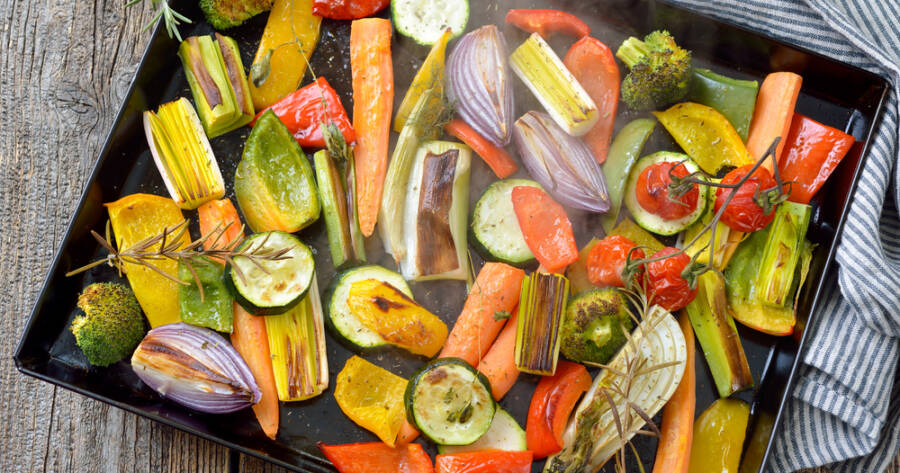
Cooking methods influence not only flavor and texture but also the nutritional value of food. The way ingredients are prepared can affect fat content, nutrient retention, and overall balance in a meal. Some methods rely on added oils, while others use heat, moisture, or air circulation to cook food more gently. Understanding how different techniques work makes it easier to choose options that support both taste and long-term health without sacrificing variety or satisfaction.
Understanding How Cooking Methods Affect Nutrition
Cooking transforms food in ways that go beyond taste. Heat can alter the structure of proteins, soften fibers, and enhance digestibility. At the same time, certain nutrients—especially water-soluble vitamins—may be reduced depending on how food is prepared. Choosing appropriate cooking methods can help preserve more of the natural nutritional value.
Different techniques also influence the amount of added fat in a meal. Methods such as frying often require oils, while steaming or baking may rely on minimal or no added fat. Being mindful of how cooking techniques affect both nutrient retention and calorie content allows for more balanced meal preparation without requiring restrictive changes.
Baking as a Balanced and Versatile Option
Baking uses dry heat in an oven to cook food evenly over time. This method works well for a wide range of ingredients, including vegetables, proteins, and whole grains. Because baking typically requires less oil than frying, it can support lower-fat meal preparation while still producing satisfying textures and flavors.
Roasting vegetables, for example, can enhance natural sweetness without excessive added ingredients. Baking proteins such as chicken or fish allows for even cooking while maintaining moisture when done properly. Using herbs, spices, and marinades can enhance flavor without relying heavily on fats or sauces. With thoughtful preparation, baking offers both convenience and nutritional balance.
Grilling for Flavor With Minimal Added Fat
Grilling exposes food to direct heat, often over an open flame or heated surface. This method creates a distinct flavor through browning and caramelization, making it a popular choice for meats, vegetables, and even fruits. Because excess fat can drip away during grilling, it often results in lower-fat outcomes compared to pan-frying.
Preparation plays an important role in maintaining balance. Marinating foods before grilling can enhance flavor and tenderness without requiring heavy sauces. Including vegetables such as peppers, zucchini, or mushrooms alongside proteins creates a more complete and nutrient-rich meal. Monitoring cooking time and avoiding excessive charring helps maintain both flavor and overall quality.
Steaming to Preserve Nutrients and Texture
Steaming uses hot vapor to cook food gently without direct contact with water. This method is particularly effective for preserving nutrients that might otherwise be lost during boiling. Vegetables retain their color, texture, and natural flavor when steamed properly, making it a reliable option for nutrient-dense meals.
Steaming also eliminates the need for added fats during cooking. This makes it a useful technique for those aiming to reduce overall calorie intake while maintaining nutritional value. Pairing steamed foods with flavorful additions such as herbs, citrus, or light sauces can enhance taste without compromising the benefits of the method. Gentle cooking supports both texture and nutrient retention.
Sautéing and Stir-Frying With Mindful Portions
Sautéing and stir-frying involve cooking food quickly over medium to high heat with a small amount of oil. These methods can preserve texture and flavor while allowing for quick meal preparation. When used thoughtfully, they can be part of a balanced cooking routine.
Portion control plays a key role in maintaining balance. Using measured amounts of oil rather than pouring freely helps manage overall fat content. Incorporating a variety of vegetables alongside proteins creates more nutrient-dense dishes. Quick cooking times also help maintain crisp textures and reduce overcooking. With mindful adjustments, sautéing can remain both efficient and balanced.
Choosing the Right Method for Your Goals and Lifestyle
No single cooking method is universally “best.” Each technique offers unique advantages depending on the type of food and desired outcome. Baking may be ideal for convenience, grilling for flavor, steaming for nutrient retention, and sautéing for speed. Rotating methods throughout the week can add variety while supporting balanced nutrition.
Personal preference and lifestyle also play important roles. Some methods require more time or equipment than others. Selecting techniques that fit comfortably into daily routines increases consistency. By understanding how each method works, it becomes easier to prepare meals that support both enjoyment and long-term health without unnecessary complexity.